Key Facts: 24 Karat Gold Coins in 2026
- What 24K means: a 24-karat coin is .9999 fine, about 99.99% pure gold, with only a trace of anything else.
- The main programs: the Canadian Maple Leaf, American Buffalo, Austrian Philharmonic, Australian Kangaroo, and Chinese Panda are the best-known pure-gold coins.
- Color: pure gold has a deep, warm yellow tone. The reddish or paler shades you see on other coins come from copper or silver in the alloy, not from the gold itself.
- The tradeoff: pure gold is soft. A 24K coin scratches and dings more easily than a 22K coin, which is why so many of them ship in protective capsules.
- Gold content vs. purity: a 1 oz 24K coin and a 1 oz 22K coin both hold exactly one troy ounce of gold. The 22K coin is simply heavier overall because of the alloy metals.
- It still carries risk: gold can fall as well as rise, it pays no interest, and you pay a premium over the metal's melt value when you buy. None of that is unique to 24K coins.
What Makes a 24 Karat Gold Coin?
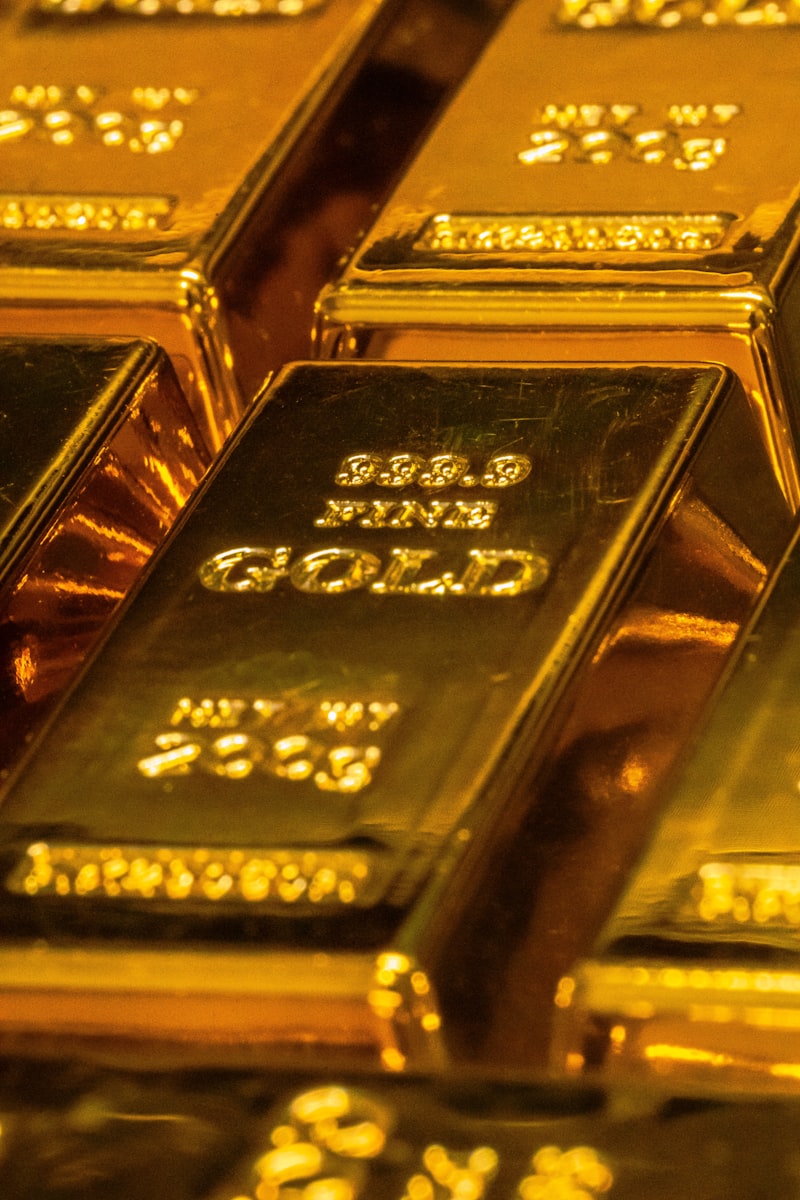
A 24-karat gold coin is, near enough, pure gold. The modern standard is .9999 fineness, or 99.99% gold by weight. That last fraction of a percent separates a 24K coin from a 22K one, and it changes more than you'd expect about how the coin looks, feels, and survives handling. So when someone calls a coin "pure gold," they almost always mean a 24K, .9999-fine piece like the Canadian Maple Leaf or the American Buffalo.
Here's the part people miss. A pure-gold coin isn't necessarily worth more than an alloyed one in the same weight class. A 1 oz Maple Leaf and a 1 oz American Gold Eagle each contain one full troy ounce of actual gold; the Eagle just wraps that ounce in a copper-and-silver alloy, so the whole coin weighs more. What you gain with a 24K coin is the look of pure metal and eligibility rules that favor higher fineness; what you give up is a little hardness.
What Does 24 Karat Mean?
The karat system measures gold content on a scale of twenty-four. Pure gold is 24K. A coin that's 22 parts gold to 2 parts alloy is 22K, about 91.67% gold, written .9167 fine. Twenty-one parts gold works out to roughly 87.5%, or .875 fine.
Fineness is the same idea as a decimal, and it's the language most mints and dealers use. A Maple Leaf marked .9999 is 99.99% gold. Some recent issues go further, to .99999, or five nines, though that's a refining showpiece more than a practical difference for a buyer.
Why does this matter to your wallet? Purity drives a coin's color, its hardness, and sometimes its eligibility for tax-advantaged accounts. It does not, on its own, drive the gold value. That comes down to how many troy ounces the coin holds times the spot price. One troy ounce is 31.1035 grams, and a coin's melt value is its pure-gold weight times whatever gold trades at that day; see how gold coin value is calculated to run the math.
24K vs 22K vs 21K Gold Coins
These three purities cover almost everything in the bullion market, and each exists for a reason.
24K (.9999 fine) is pure gold. It's the standard for the Maple Leaf, the American Buffalo, the Austrian Philharmonic, the Australian Kangaroo, and the modern Chinese Panda. The appeal is obvious: you're holding metal that's as close to elemental gold as a mint can practically strike. The cost is softness, which we'll come back to.
22K (.9167 fine) mixes in a small amount of copper, sometimes silver, to harden the coin. This is the old "crown gold" recipe, and it's why the American Gold Eagle and the South African Krugerrand resist dings far better than a pure coin. The Krugerrand, first minted in 1967, popularized the format. A 22K 1 oz coin still contains a full troy ounce of gold; the alloy just adds weight and a faintly reddish tone. British Britannia coins were 22K before 2013, when The Royal Mint switched them to .9999.
21K (.875 fine) is uncommon in Western bullion. You'll find it in some Middle Eastern gold coins and in very old British issues from before 1817. The modern British Sovereign, to be clear, is 22K — a smaller coin holding 0.2354 troy ounce of gold in a .9167 alloy. Older U.S. gold ran lower still: classic pieces like the Saint-Gaudens Double Eagle were 90% gold (.900 fine). If a Western dealer shows you a "21K bullion coin," slow down and ask exactly what you're buying.
Major 24 Karat Gold Coins
Five programs dominate the pure-gold market, each from a national mint with a long track record.
The Canadian Maple Leaf, from the Royal Canadian Mint, is the benchmark. A 1 oz Maple Leaf holds one troy ounce of .9999 gold, and recent issues carry layered anti-counterfeit security, including micro-engraved features and laser marks that are hard to fake.
The American Buffalo is the U.S. Mint's 24K coin, struck since 2006. A 1 oz Buffalo holds one troy ounce of .9999 gold and carries the classic bison design. It's the pure-gold counterpart to the alloyed Gold Eagle, which many American buyers value as a domestic-mint product. There's also a popular proof Buffalo aimed at collectors.
The Austrian Philharmonic, from the Austrian Mint, is Europe's heavyweight. The 1 oz coin is one troy ounce of .9999 gold, denominated in euro, with a consistent orchestra-themed design and a heavy presence in European trading.
The Australian Kangaroo, struck by the Perth Mint, is another .9999 program. The 1 oz coin holds a full troy ounce of pure gold, and the reverse design changes each year, giving every issue its own character.
The Chinese Panda works differently. Since 2016 it's been sized in metric grams rather than troy ounces. The largest standard bullion Panda is 30 grams, about 0.9645 troy ounce, at .999 fineness. The design changes every year, and that rotation gives some Pandas a collector following on top of their gold value; read more on the Chinese Panda if its sizing matters to you.
Here's how they line up against the main 22K coins. The figures are published standards for the standard sizes; smaller fractional coins exist in most of these programs too.
| Coin | Mint | Karat / fineness | Gold content (standard size) |
|---|---|---|---|
| Canadian Maple Leaf | Royal Canadian Mint | 24K / .9999 (some .99999) | 1 troy oz (1 oz coin) |
| American Buffalo | U.S. Mint | 24K / .9999 | 1 troy oz (1 oz coin) |
| Austrian Philharmonic | Austrian Mint | 24K / .9999 | 1 troy oz (1 oz coin) |
| Australian Kangaroo | Perth Mint | 24K / .9999 | 1 troy oz (1 oz coin) |
| Chinese Panda | China Gold Coin Inc. | 24K / .999 | 30 g ≈ 0.9645 troy oz (largest standard size since 2016) |
| American Gold Eagle | U.S. Mint | 22K / .9167 | 1 troy oz of gold (1 oz coin; gross 1.0909 oz) |
| South African Krugerrand | Rand Refinery | 22K / .9167 | 1 troy oz of gold (1 oz coin; gross 1.0909 oz) |
Every 1 oz coin here holds the same troy ounce of gold; the 22K coins simply weigh more overall. For a wider comparison across formats, see our roundup of the best gold coins to buy.
Durability and Handling Considerations
This is where pure gold's one real weakness shows up. Gold is soft. Strip out the hardening alloy and you get a coin that marks easily — a fingernail, a hard countertop, two coins clinking in a bag, any of it can leave a mark on a 24K surface. That's the whole reason 22K coins exist: the copper in a Krugerrand or a Gold Eagle makes the coin meaningfully more scratch-resistant, while a pure Maple Leaf in the same conditions picks up hairlines faster.
Does it matter? For melt value, no. A scuffed 1 oz Buffalo still holds its full troy ounce, and a dealer buying for the metal won't dock you much for cosmetic wear on a common bullion coin. For graded or proof coins it matters a lot. A surface mark can pull a coin down a grade or two on the 70-point scale that PCGS and NGC use, and that can mean real money where the premium rides on condition.
The practical rule is simple. Handle pure-gold coins by the edges, over a soft surface, and leave them in their capsules unless you have a reason not to. If you buy graded coins, the slab protects them for you. If you stack raw bullion, the softness is a reason to be careful, not a reason to avoid 24K.
24K Gold Coin Premiums in 2026
Every gold coin sells for more than its melt value. That gap is the premium, and it covers minting, distribution, and the dealer's margin. Understanding it is the most useful thing a new buyer can learn, because the premium, not the karat, is where you win or lose against the next buyer.
Premiums move with supply and demand, so any fixed number you read today can be stale tomorrow. As a rough guide, common 1 oz coins like the Maple Leaf, Buffalo, and Philharmonic tend to trade at a modest single-digit-percentage premium over spot in normal conditions, while smaller coins carry proportionally higher premiums because minting cost is spread over less gold. Fractional gold coins almost always cost more per gram for that reason. Proof and special-edition coins sit higher still.
The honest answer to "what premium should I pay" is to check more than one reputable dealer on the day you buy and compare the all-in price per troy ounce, shipping included. A 24K coin and a 22K coin holding the same ounce of gold can carry very different premiums, and the lower-premium one is usually the better value. Remember the exit cost too: when you sell, the dealer's buyback price sits below their sell price, and that bid/ask spread is wider on thinly traded coins. Our guide on how to sell gold coins covers what to expect.
Investment Value of Pure Gold Coins
Let's be plain about what gold does and doesn't do. Gold can rise. Gold can fall. It has done both, sometimes for years at a stretch. It pays no interest or dividend, so a coin sitting in a safe generates nothing while you hold it. Anyone who tells you gold "always goes up" or is "guaranteed" or "can't lose" is selling something, and that pitch is itself a warning sign.
People hold gold for reasons other than yield. Some want a hard asset outside the banking system; some want a holding that has historically behaved differently from stocks and bonds. Reputable analysts disagree about how much, if any, an investor should hold, and that disagreement is the honest state of things.
For the pure-gold buyer, the case is simple: you're buying gold by the ounce in a recognized, liquid form, and the 24K label adds no investment value over a 22K coin with the same gold content. What protects your money is buying at a sensible premium and storing safely; what hurts it is overpaying.
One trap deserves its own flag. The U.S. Commodity Futures Trading Commission and the Federal Trade Commission have both warned about high-pressure precious-metals schemes, leveraged "financed" metals deals, and outright fraud. If a sales call promises outsized returns, pressures you to move retirement money fast, or pushes coins at premiums far above the bullion price, treat it as a scam until proven otherwise. Our page on gold coin scams walks through the common ones.
And there's tax. In the U.S., the IRS treats physical gold coins and bullion as "collectibles." Long-term gains on collectibles are taxed at your ordinary income rate but capped at a maximum 28%; short-term gains are taxed as ordinary income. That's general information, not tax advice, so talk to a tax professional before acting on it.
Storage and Care for 24K Coins
Because pure gold marks easily, storage is part of owning it well. Keep coins in their mint capsules or inert, archival-quality holders, avoid PVC flips that can leach chemicals into the surface, and handle by the edges. Don't clean a coin — cleaning almost always does more harm than good and can destroy a collectible's value outright.
Where you keep them depends on how much you hold. A home safe is convenient but only as good as the safe and your security, and your homeowner's insurance may cap or exclude precious metals — read the policy. A bank safe-deposit box adds physical security but isn't FDIC-insured and isn't accessible at 2 a.m. A private depository offers insured, allocated storage for a fee, which makes more sense the larger your holding gets. Our storage guide weighs all three.
One scenario to avoid entirely: so-called "home storage" Gold IRA schemes. The IRS does not permit you to keep IRA-held metals at home. IRA gold must sit with an approved trustee or custodian and an approved depository, full stop. If a promoter tells you otherwise, walk away. We cover it in our Gold IRA guide.
Which 24K Coin Is Best for You?
There's no universal best coin, only the best fit for what you're trying to do.
If you want maximum liquidity and easy resale, the Maple Leaf, Buffalo, and Philharmonic are about as recognized and tradeable as 24K coins get — any reputable dealer will know them.
If you care about the lowest cost per ounce of gold, compare premiums across coins and dealers — and don't rule out a 22K coin like the Eagle, which holds the same ounce of gold and may carry a lower premium.
If you're buying for a Gold IRA, the .9999 coins clear the IRS .995-fineness rule comfortably. The 22K American Gold Eagle is allowed too, by a specific statutory exception — but it still goes through an approved custodian and depository.
If design or collectibility appeals to you, the annually changing Chinese Panda and Australian Kangaroo give you variety, and proof versions of the Buffalo are made for collectors. Just remember that collector premiums can shrink, and graded coins are a different game with their own risks — see our notes on certified gold coins.
Whatever you choose, the discipline is the same: buy from a dealer you've vetted, compare the all-in price per ounce, store the coins properly, and keep your expectations grounded. Gold is a long-term holding with real risk, not a guaranteed win.
Frequently Asked Questions
What does 24 karat mean for a gold coin?
It means the coin is pure gold, .9999 fine, or about 99.99% gold by weight. "Karat" measures purity in twenty-fourths, so 24 of 24 parts gold is as pure as a bullion coin practically gets. That near-total purity is also what gives 24K coins their deep yellow color and their softness.
Are 24K gold coins too soft for everyday handling?
Soft, yes. Too soft, no — if you handle them sensibly. Pure gold scratches more easily than the copper-hardened 22K coins, so a Maple Leaf picks up hairlines faster than a Krugerrand. On a common bullion coin sold by weight, light cosmetic wear barely affects what a dealer pays; on a graded or proof coin it can cost real money, which is why those stay sealed in capsules or slabs.
Which are the most popular 24 karat gold coins?
The Canadian Maple Leaf, the American Buffalo, and the Austrian Philharmonic are the three you'll see most often, all 1 oz .9999 coins from major national mints. The Australian Kangaroo from the Perth Mint and the Chinese Panda round out the list.
Do 24K coins contain more gold than 22K coins?
No, and this trips up a lot of new buyers. A 1 oz 24K coin and a 1 oz 22K coin both hold exactly one troy ounce of pure gold; the 22K coin is just heavier overall because of its alloy. The "24K" stamp tells you about purity, not quantity.
Can 24K gold coins go into a Gold IRA?
Generally yes. The IRS allows bullion of at least .995 fineness in a self-directed IRA, and the .9999 pure coins clear that easily. The catch is the account structure rather than the coin. IRA metals must be held by an approved custodian and stored in an approved depository, never at home, whatever a "home storage IRA" promoter claims. Talk to a qualified custodian and read our Gold IRA guide first.
What premiums do 24K gold coins carry over spot price?
It varies, and any number you read can be out of date within days. Common 1 oz coins usually trade at a modest premium over melt in normal markets; fractional sizes cost proportionally more per gram, and proof editions more still. Premiums climb when demand spikes. Compare the all-in price per troy ounce across a few reputable dealers on the day you buy.
How should I store 24 karat gold coins?
Keep them in mint capsules or archival-quality holders, handle by the edges, and skip PVC flips, which can damage the surface. Never clean a coin. As for where: a home safe depends on your security and insurance; a bank box adds protection but no FDIC coverage; a depository offers insured allocated storage for a fee. The right choice scales with how much you own.
Which 24K gold coin is the best investment?
There isn't one. Any of the big liquid programs — Maple Leaf, Buffalo, Philharmonic — is a sound way to own pure gold, and the 24K label adds no investment value over a 22K coin holding the same ounce. What matters is buying at a fair premium, storing safely, and selling through a fair channel. And remember the basics: gold can fall as well as rise, it pays no yield, and nobody can promise you a return.
Gold prices are volatile and can fall as well as rise, gold pays no interest or dividend, dealer premiums and bid/ask spreads apply to every purchase and sale, and this article is general education only — not financial, investment, or tax advice; consult a licensed professional before acting. editorial terms & risk disclosure.
Authoritative sources & references
Updated for accuracy June 6, 2026